Swati Sharma
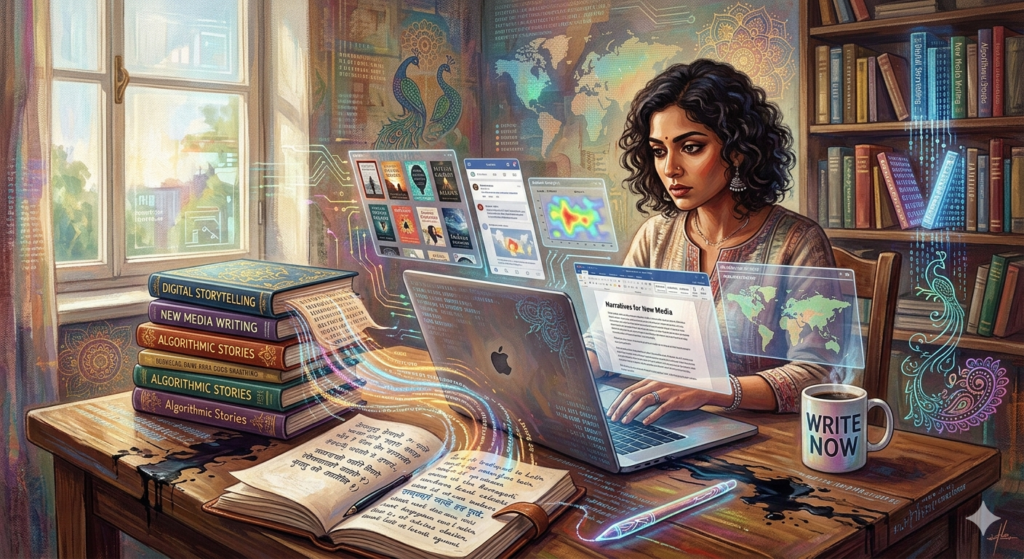
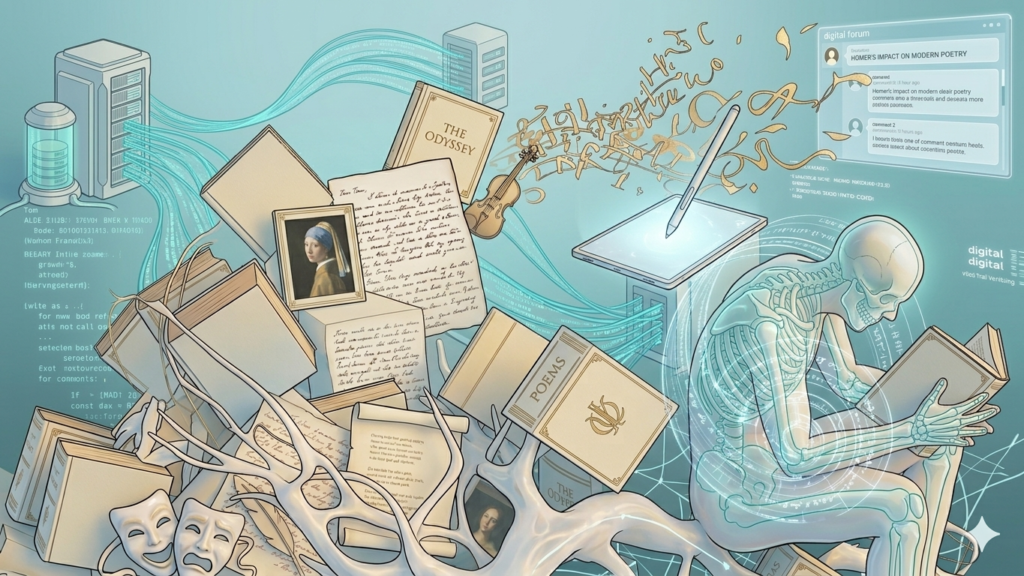
The publishing industry worldwide is in the throes of developing interactive digital products. Many international legacy publishing houses are exploring building multimedia products with a digital framework as the backbone to continue to engage readers before the book starts and after it’s finished. Whether it’s navigation, content structure, visual interactivity, or user-generated content, driving innovation to engage digital users with literature and art consumption is at the heart of this enterprise. The Indian publishing industry, too, is working to up its game by increasing its offerings in e-books and building e-magazines and websites. The penny is gradually, yet finally, dropping on the commitment to innovation. Thinking out of the box isn’t just creativity; it’s survival.
We understand that building a community is the best bet at survival. For an art project, including a literary platform, developing a community of creative people and consumers of creative works is arguably one of the strongest foundations. Ngūgī Wa Thionğ O, in his ‘Decolonising The Mind’, argues very strongly in favour of community and claims that storytelling is never an individual enterprise but a “product of the creative imagination of a whole community”.
However, it is also noteworthy that the industry and its forces always remain stronger than the community. Hence, while studying buyers’ data, consumer loyalty, and event footfall still carry value, it is imperative for a literary digital product manager to also focus on the web and social media footprint of the new user- how they interact with art online or a piece of literature or criticism that hasn’t been curated into a one-minute palatable social media video capsule.
Another challenge for a literary digital product manager is major misconceptions regarding cost versus price analysis between web and print products. No, it isn’t cheaper to build a digital product. Print technologies, their availability, solutions and consumption have been perfected over very long periods, making them cost-effective from the business and consumer perspective. Digital technologies, web product design, hosting, and online
management tools sometimes add up to much more than print versions, and they sell for way cheaper than their print counterparts. Hard copies still carry an emotional value for readers, which has so far been tough for digital
publishing to penetrate, and justifiably so.
It’s only an organic outcome that a deliberate and creative contemplation of the traditionality of art and literature, and futuristic possibilities of the cyber world, come together to create unique solutions. That is how, from working with digital newsrooms to digital corporate communications, eventually journeying into product development, a career lifecycle seemed to come full circle now. Between analysing bounce rates and editing poetry criticism, Humming Word came into existence.
Here, accessibility, navigation and interactivity are at the core of product design and user experience. The main tenets, if we could call them that, for building a literature and art digital product, which became the guiding principles of all our efforts, are creating an author-centric platform, building a reader and fan-focused virtual space and developing a socially scalable and searchable product. After the editorial team laid down the ground rules of vision and literary and art aesthetic, and the kind of creativity we want to champion, we set out to streamline the design and branding strategy of this website. Mobile-first interface, uncluttered layout and intuitive navigation took precedence.
Since the website is aimed at showcasing talent from all the languages recognised by the Indian constitution, we have planned to integrate an autotranslation tool to improve content accessibility and increase author inclusivity. The next development phase will include submission management tools and content flow management ecosystems. Integrating Dictionary tools and building interactivity through visual elements will also be undertaken in the upcoming development phase.
Humming Word is going to be a transparent and uncluttered platform that will continue to work on enhancing user access to art and literary creativity. It’s an attempt at creating a space, a trusted repository and a critical thought pioneer where literature and art aren’t reduced to content but become a living and breathing cultural representation.